

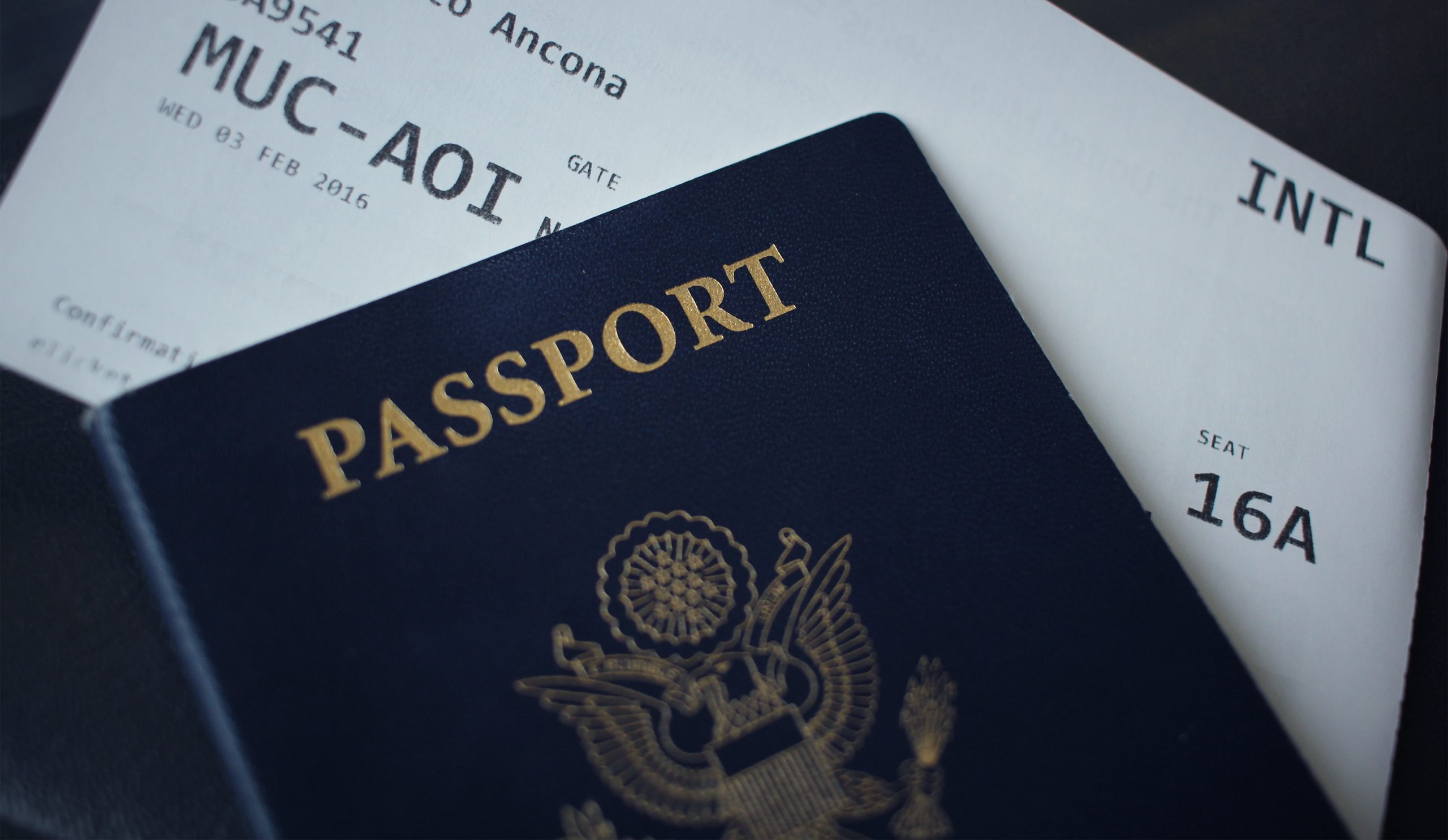
Photo by Nicole Geri on Unsplash
Last updated: 11 May 2026
Moving abroad for work used to mean stacks of paper, embassy queues, and a six-month wait. In 2026, most major destinations have shifted to online portals, and the rules have changed again since 2024. This guide pulls the current official source for 140+ countries into one place, with a quick comparison of the five best destinations depending on what you actually want.
- A work visa is a separate document from a residence permit in most countries. You usually need both.
- The 90-day rule applies to short stays only. Any paid work, even for a few weeks, usually requires a work visa or permit.
- Germany, Canada, Australia, and New Zealand have the most predictable skilled-worker pathways in 2026.
- Cambodia, Georgia, and Mexico are the easiest countries for digital nomads who want to live abroad cheaply and legally.
- Processing times in 2026 average 4 to 8 weeks for fully digital applications, down from 8 to 12 weeks in 2019.
- Always apply on the official government portal. Third-party sites that charge “processing fees” are not the visa office.
What a work visa actually is
A work visa is government permission to take paid employment in a country where you don’t hold citizenship or permanent residency. In most countries, it’s tied to a specific employer and job, and it usually has a fixed validity period of 1 to 4 years.
It’s a separate document from a residence permit. A work visa lets you cross the border; a residence permit lets you live there. Some countries combine them into one document. Germany, for example, issues a National D visa for entry, then converts it to a residence permit at the local Foreigners Authority within 90 days of arrival.
A work visa is government authorization to take paid employment in a foreign country. It’s typically employer-sponsored, valid for 1 to 4 years, and tied to a specific role. Most countries also require a separate residence permit for stays longer than 90 days.
Who needs one
You need a work visa if:
- You’re not a citizen or permanent resident of the destination country.
- You don’t hold a passport from a country with reciprocal labour rights (EU/EEA citizens working in another EU country, for example).
- You plan to do paid work, even if it’s remote and the employer is overseas (some countries care, some don’t, but assume they do).
- Your stay will exceed the visa-free or tourist limit, which is usually 30 to 90 days.
The myth that you can “work under the table” on a tourist visa for under 90 days is outdated. Immigration databases now share data with tax authorities and labour ministries in most OECD countries. The fine in Cambodia for working without a permit is roughly $3,150 per employee. In Germany, it’s up to €500,000 for the employer and deportation for you.
Eligibility basics
Every country sets its own rules, but the common requirements look like this:
- A job offer or contract from an employer registered in the destination country. This is the single biggest filter. Without a job offer, your options shrink to jobseeker visas (Germany, Portugal, Sweden), working holiday visas (Australia, NZ, Japan, Canada), or self-employed routes.
- Proof of qualifications. A recognised bachelor’s degree is the standard floor for skilled-worker categories. Trade qualifications need formal recognition in countries like Germany and Australia.
- Clean criminal record. Apostilled background check from your country of citizenship and any country you’ve lived in for 6+ months.
- Financial proof. Bank statements showing you can support yourself during processing. Germany’s jobseeker visa requires €1,091 per month, or €13,092 in a blocked account, as of 2026.
- Health insurance covering your stay until you qualify for the local system.
- A passport valid for at least 6 months past your intended stay.
Bilateral agreements can speed things up. The H-1B (US), Tier 2 General (UK), and TN visa (Canada/Mexico) all rest on treaties that simplify the process for specific nationalities.
To get a work visa abroad, you need a job offer from a registered employer, proof of qualifications, a clean criminal record, financial proof of self-support, valid health insurance, and a passport valid 6 months past your stay. Specific countries add language tests, salary thresholds, and labor-market checks.
Types of work visa
The labels vary by country, but the categories are remarkably consistent.
Temporary work visa. Valid 1 to 4 years, tied to a specific job and employer. Examples: US H-1B, UK Skilled Worker Visa, Australia Subclass 482, Germany EU Blue Card.
Working holiday visa. Available to citizens of treaty countries aged 18 to 30 (sometimes 35). Lets you work casually while traveling. Australia, NZ, Japan, Canada, and Ireland run the most generous schemes.
Seasonal work visa. For agriculture, tourism, or hospitality during peak periods. NZ launched two new seasonal visas in December 2025: the Global Workforce Seasonal Visa and Peak Seasonal Visa. Spain, Finland, and Canada have similar programs.
Jobseeker visa. Lets you enter the country to look for work, usually for 6 months, without a job offer. Germany’s Opportunity Card (since June 2024), Portugal’s D7, and Sweden’s jobseeker permit are the main ones.
Self-employed or freelance visa. Estonia, Portugal, Spain, Germany, and the UAE all have these. Requirements vary wildly: Estonia’s Digital Nomad Visa needs €4,500/month income; Portugal’s D8 needs €3,480/month.
EU Blue Card. A single permit for highly skilled non-EU workers across most EU countries. Lower salary thresholds and faster family reunification than national permits. Salary floor in 2026: €50,700 in Germany (€45,934 for shortage occupations).
Intra-company transfer. For employees of multinationals moving between offices. US L-1, UK ICT, EU ICT Directive. Usually faster and easier than open-market hiring.
Best country comparison
Five destinations to consider based on what you actually want from working abroad.
| Country | Best for | Cost of living (single, monthly USD) | Visa type | Processing time | Difficulty (1-5) |
|---|---|---|---|---|---|
| Germany | Skilled professionals & career growth | $1,400-$2,200 | EU Blue Card, Opportunity Card, Skilled Worker Visa | 4-6 weeks (digital portal) | 3 |
| Canada | Long-term settlement & PR pathway | $1,800-$2,600 | Express Entry, Global Talent Stream, IEC | 6-8 weeks | 3 |
| Australia | Work exchange & working holidays | $2,000-$2,800 | Working Holiday 417/462, Skilled 482 | 4-8 weeks | 2 |
| New Zealand | Seasonal & outdoorsy lifestyle | $1,800-$2,400 | AEWV, Working Holiday, GWSV | 4-8 weeks | 2 |
| South Korea | Teaching English (TEFL) | $900-$1,400 | E-2 Teaching Visa | 4-6 weeks | 2 |
| Cambodia | Digital nomads & low budgets | $700-$1,100 | E-class Business Visa + Work Permit | 1-2 weeks | 1 |
Germany: best for career-focused professionals
Germany finished rolling out its fully digital visa portal at digital.diplo.de in February 2026. Skilled-worker applications are now processed in 4 to 6 weeks instead of 8 to 12. You can apply for an EU Blue Card, a Skilled Worker Visa, or the new Opportunity Card without setting foot in an embassy for biometrics.
The labour market is hungry. There are 639,000 open vacancies as of February 2025, concentrated in IT, engineering, healthcare, and finance. Berlin, Munich, and Frankfurt have the largest English-speaking expat communities, so you don’t need fluent German to land a tech role. You will need it for healthcare and most regulated professions.
The average net salary sits around €2,850 to €3,000 per month in 2026. Rent in Berlin runs from €1,100 to €1,600 for a one-bedroom. Munich is roughly 30% more expensive.
Apply: Make it in Germany for guidance, Consular Services Portal for the application itself.
Cambodia: best for digital nomads
Cambodia stayed cheap, stayed loose, and stayed welcoming through the 2024 to 2026 work-permit crackdown. The trick now: enter on an Ordinary E-class visa (not the Tourist T), then extend inside the country.
Total annual compliance cost for a self-employed expat is around $550. That breaks down to roughly $285 for a 12-month EB extension via a visa agent, $130 in government work-permit fees, plus sole-proprietorship registration. Compare that to Thailand’s Elite Visa at $15,000+ or Vietnam’s tightening work-permit rules.
The 2024 to 2026 enforcement push means EB visa renewals are now denied without a valid work permit. Don’t skip it. The fine for working without one is approximately $12,600 per employee.
Coworking in Phnom Penh costs $5 to $10 per day. A nicely furnished one-bedroom rents for $400 to $700 per month. Siem Reap and Kampot are cheaper still.
Apply: evisa.gov.kh for the entry visa, arrival.gov.kh for the e-Arrival Card.
Australia: best for working holidays
The Working Holiday Visa (Subclass 417 and 462) lets citizens of treaty countries aged 18 to 30 (35 for some nationalities) live and work in Australia for 12 months, with extensions for regional work. It’s the easiest path to working abroad without a job offer.
Sydney and Melbourne aren’t cheap. Budget AUD $2,800 to $3,800 per month for a single person in the inner suburbs. Brisbane and Adelaide drop that by 25%. Regional work pays the minimum wage of AUD $24.10 per hour as of July 2025, which goes a long way in smaller towns.
WWOOF Australia (wwoof.com.au) and Workaway match travellers with farm and hospitality hosts. Most exchange around 25 hours of work per week for room and board.
Apply: Department of Home Affairs for all work visa categories.
New Zealand: best for seasonal work
NZ’s Accredited Employer Work Visa (AEWV) is the main route for skilled workers with a job offer. The Working Holiday Visa runs for 12 months, with extensions possible for ski-season and viticulture work.
The two new seasonal visas launched on 8 December 2025: the Global Workforce Seasonal Visa (GWSV) for experienced seasonal workers, and the Peak Seasonal Visa (PSV) for short peak periods up to 7 months. Both sit under the AEWV framework.
Cost of living: NZD $1,400 to $1,800 per month in Christchurch or Wellington, more in Auckland.
Apply: Immigration New Zealand for current categories.
South Korea: best for teaching English
EPIK (English Program in Korea) is still the most structured TEFL pathway in Asia. Salaries run ₩2.1M to ₩3.0M per month in 2026, with free furnished housing, 26 vacation days, a settlement bonus, and a one-month severance at contract end.
You need an E-2 visa, which requires citizenship of one of seven recognised countries (US, UK, Canada, Ireland, Australia, NZ, South Africa, plus Singapore added in 2025), a bachelor’s degree in any field, a 100+ hour TEFL certificate, and an apostilled criminal background check.
Hagwons (private academies) pay slightly more at ₩2.3M to ₩3.0M, but hours are afternoon to evening.
Apply: EPIK official site for public schools, HiKorea for visa management.
Country directory: official work visa portals
How we verified these links: top-traffic destinations (Germany, Canada, US, UK, Australia, NZ, Cambodia, South Korea) were live-checked in May 2026. For the remaining countries, we replaced obviously broken patterns (bit.ly shortcuts, 2019 blog URLs, retired ministry pages) with current official portals where available. Spot-check before publication; immigration sites change addresses without notice.
Africa
Algeria: Official source: Ministry of Foreign Affairs | Practical guide: SchengenVisaInfo Algeria
Angola: Official source: Ministry of External Relations | Practical guide: Shield GEO Angola
Benin: Official source: e-Visa Portal
Botswana: Official source: Department of Immigration | Practical guide: Work Visa Botswana
Burkina Faso: Official source: Ministry of Foreign Affairs | Apply via the nearest embassy
Burundi: Official source: Ministry of Foreign Affairs | Practical guide: US Embassy Burundi
Cabo Verde: Official source: EASE e-Visa Portal
Cameroon: Apply via the nearest embassy.
Central African Republic: Apply via the nearest embassy.
Chad: Official source: Chad Embassy DC
Comoros: Official source: e-Visa Comoros | Practical guide: World Travel Guide
Côte d’Ivoire: Official source: SNEDAI e-Visa
DR Congo: Official source: DGM Congo | Apply via the nearest embassy.
Djibouti: Official source: e-Visa Djibouti
Egypt: Official source: Egypt e-Visa | Practical guide: Justlanded Egypt
Eritrea: Apply via the nearest embassy.
Ethiopia: Official source: Ethiopia e-Visa | Practical guide: World Travel Guide Ethiopia
Gabon: Official source: e-Visa Gabon
Gambia: Official source: Gambia Immigration Department | Practical guide: Access Gambia
Ghana: Official source: Ghana Immigration Service
Guinea: Official source: Ministry of Foreign Affairs | Apply via the nearest embassy.
Guinea-Bissau: Apply via the nearest embassy.
Kenya: Official source: eCitizen Kenya
Lesotho: Official source: e-Visa Lesotho
Liberia: Apply via the nearest embassy.
Libya: Official source: Ministry of Foreign Affairs
Madagascar: Official source: e-Visa Madagascar
Malawi: Official source: Department of Immigration
Mauritania: Official source: Ministry of Foreign Affairs
Mauritius: Official source: Passport & Immigration Office | Practical guide: Mauritius Attractions
Morocco: Official source: Consulate of Morocco | Practical guide: Expat.com Morocco
Mozambique: Official source: e-Visa Mozambique
Namibia: Official source: Ministry of Home Affairs
Niger: Apply via the nearest embassy.
Nigeria: Official source: Nigeria Immigration Service
Rwanda: Official source: Rwanda Directorate General of Immigration
Senegal: Official source: Ministry of Foreign Affairs
Sierra Leone: Official source: Ministry of Internal Affairs | Practical guide: Visit Sierra Leone
Somalia: Official source: Immigration & Naturalization Directorate
South Africa: Official source: Department of Home Affairs | Practical guide: Expatica South Africa
South Sudan: Apply via the nearest embassy.
Sudan: Apply via the nearest embassy.
Tanzania: Official source: Tanzania Immigration Services | Practical guide: Tanzania Embassy US
Togo: Official source: Ministry of Foreign Affairs | Practical guide: World Travel Guide Togo
Tunisia: Apply via the nearest embassy.
Uganda: Official source: Directorate of Citizenship & Immigration Control
Zambia: Official source: Department of Immigration
Zimbabwe: Official source: Department of Immigration | Practical guide: Victoria Falls Guide
Americas
Argentina: Official source: Ministry of Foreign Affairs | Practical guide: Justlanded Argentina
Bahamas: Official source: Bahamas Immigration Department
Belize: Official source: Belize Immigration Department
Bolivia: Official source: Ministry of Foreign Affairs | Apply via the nearest embassy.
Brazil: Official source: Federal Police Migration
Canada: Official source: IRCC Work Permits | Practical guide: VisaPlace Canada
Chile: Official source: Servicio Nacional de Migraciones
Colombia: Official source: Cancillería Colombia
Costa Rica: Official source: Ministry of Foreign Affairs | Practical guide: Justlanded Costa Rica
Cuba: Official source: MINREX Cuba
Dominican Republic: Official source: Ministry of Foreign Affairs | Practical guide: Learn4Good Dominican
Ecuador: Official source: Consular Virtual Ecuador | Practical guide: Amelia & JP Ecuador
El Salvador: Official source: Ministry of Foreign Affairs | Practical guide: US State Dept El Salvador
Guatemala: Official source: Instituto Guatemalteco de Migración
Guyana: Official source: Ministry of Foreign Affairs
Haiti: Official source: Haiti Embassy DC | Practical guide: UK FCDO Haiti
Honduras: Official source: Instituto Nacional de Migración
Jamaica: Official source: Ministry of Foreign Affairs | Practical guide: Consulate of Jamaica NY
Mexico: Official source: Instituto Nacional de Migración | Practical guide: Mexperience Visas
Nicaragua: Official source: Dirección General de Migración | Practical guide: US State Dept Nicaragua
Panama: Official source: Servicio Nacional de Migración | Practical guide: Panama Offshore Services
Paraguay: Official source: Dirección General de Migraciones
Peru: Official source: Superintendencia Nacional de Migraciones
Suriname: Official source: e-Visa Suriname
Trinidad and Tobago: Official source: Immigration Division
United States: Official source: Travel.State.Gov Work Visas | Practical guide: Visa Guide World US
Uruguay: Official source: Ministry of Foreign Affairs | Practical guide: InterNations Uruguay
Venezuela: Official source: SAIME Extranjería | Apply via the nearest embassy.
Asia
Afghanistan: Apply via the nearest embassy.
Bangladesh: Official source: Bangladesh Visa | Practical guide: Emerhub Bangladesh
Bhutan: Official source: Department of Immigration Bhutan | Practical guide: Bhutan Travel
Brunei: Official source: Immigration Brunei | Practical guide: ASEAN Briefing Brunei
Cambodia: Official source: e-Visa Cambodia | Practical guide: Move KH Cambodia Guide
China: Official source: China Visa Application Service Center
India: Official source: Indian Visa Online
Indonesia: Official source: Imigrasi Indonesia
Iran: Official source: Iran e-Visa MFA
Iraq: Official source: Ministry of Foreign Affairs | Practical guide: Shield GEO Iraq
Israel: Official source: Ministry of Foreign Affairs | Practical guide: Justlanded Israel
Japan: Official source: MOFA Japan Visa | Practical guide: Japan Visitor Work Visas
Kazakhstan: Official source: e-Visa Kazakhstan | Practical guide: eGov Kazakhstan
Kyrgyzstan: Official source: e-Visa Kyrgyzstan | Practical guide: US State Dept Kyrgyzstan
Laos: Official source: e-Visa Laos
Malaysia: Official source: Immigration Department Malaysia
Maldives: Official source: Maldives Immigration Work Visa
Mongolia: Official source: Mongolia Immigration Agency
Myanmar: Official source: Myanmar e-Visa | Practical guide: ASEAN Briefing Myanmar
Nepal: Official source: Department of Immigration Nepal | Practical guide: Welcome Nepal Visa
North Korea: Apply via an authorized tour operator.
Pakistan: Official source: NADRA Visa | Practical guide: Embassy of Pakistan US
Papua New Guinea: Official source: Immigration & Citizenship Authority PNG | Practical guide: Papua New Guinea Travel
Philippines: Official source: Bureau of Immigration Philippines | Practical guide: Emerhub Philippines
Singapore: Official source: Ministry of Manpower | Practical guide: 3E Accounting Singapore
South Korea: Official source: HiKorea | Practical guide: Justlanded South Korea
Sri Lanka: Official source: Department of Immigration & Emigration | Practical guide: Justlanded Sri Lanka
State of Palestine: Apply via the nearest mission.
Syria: Apply via the nearest embassy.
Taiwan: Official source: Bureau of Consular Affairs Taiwan
Tajikistan: Official source: e-Visa Tajikistan | Practical guide: Netherlands Worldwide Tajikistan
Thailand: Official source: Royal Thai e-Visa | Practical guide: The Thailand Life Visa
Timor-Leste: Official source: Migration Service Timor-Leste | Practical guide: Don’t Stop Living Timor
Turkmenistan: Official source: Migration Service Turkmenistan | Practical guide: Advantour Turkmenistan
Uzbekistan: Official source: e-Visa Uzbekistan
Vietnam: Official source: Vietnam Immigration e-Visa
Yemen: Apply via the nearest embassy.
Europe
Albania: Official source: Ministry for Europe & Foreign Affairs
Armenia: Official source: MFA Armenia Visa | Practical guide: Armenian Lawyer Visa
Austria: Official source: Migration.gv.at | Practical guide: Academics.com Austria
Azerbaijan: Official source: Azerbaijan ASAN Visa
Belarus: Apply via the nearest embassy.
Belgium: Official source: Belgium Immigration Office
Bosnia and Herzegovina: Official source: Ministry of Foreign Affairs | Practical guide: Bosnia & Herzegovina Embassy DC
Bulgaria: Official source: Bulgaria MFA Visa | Practical guide: SchengenVisaInfo Bulgaria
Croatia: Official source: Croatia MFA Visa | Practical guide: Expat in Croatia
Cyprus: Official source: Cyprus MFA Visa | Practical guide: Cyprus Company Formation
Czechia: Official source: MZV Employee Card | Practical guide: SchengenVisaInfo Czechia
Denmark: Official source: New To Denmark | Practical guide: SchengenVisaInfo Denmark
Estonia: Official source: Estonia D-Visa | Practical guide: Work in Estonia
Finland: Official source: Finnish Immigration Service
France: Official source: France-Visas | Practical guide: Expatica France Work Visa
Georgia: Official source: Georgia MFA Visa | Practical guide: Amary Road Georgia
Germany: Official source: Make it in Germany | Practical guide: Consular Services Portal
Greece: Official source: Greece MFA Visa | Practical guide: SchengenVisaInfo Greece
Hungary: Official source: Hungary Consular Service | Practical guide: SchengenVisaInfo Hungary
Iceland: Official source: Directorate of Immigration | Practical guide: SchengenVisaInfo Iceland
Ireland: Official source: Citizens Information Ireland
Italy: Official source: Ministry of Interior Visa
Latvia: Official source: Latvia MFA Visa
Lithuania: Official source: Migration Department Lithuania
Luxembourg: Official source: Luxembourg MAEE Visa | Practical guide: Crown Relo Luxembourg
Malta: Official source: Identity Malta Single Permit
Moldova: Official source: MFA Moldova Visa
Montenegro: Official source: Ministry of Foreign Affairs | Practical guide: Montenegro Pulse Visa
Netherlands: Official source: IND Netherlands
North Macedonia: Official source: MFA North Macedonia
Norway: Official source: UDI Norway | Practical guide: SchengenVisaInfo Norway
Poland: Official source: Poland MFA Visa | Practical guide: Poland Unraveled Work Permit
Portugal: Official source: AIMA Portugal
Romania: Official source: Romania MFA Visa | Practical guide: Justlanded Romania
Russia: Official source: Russian Consular Department
Serbia: Official source: Serbia MFA Visa | Practical guide: EURAXESS Serbia
Slovakia: Official source: MIC IOM Slovakia | Practical guide: Slovak Republic Visas
Slovenia: Official source: Slovenia e-Visa | Practical guide: Mladi Podjetnik Slovenia
Spain: Official source: Exteriores Spain Long-Stay Visa | Practical guide: Expatica Spain Visas
Sweden: Official source: Migrationsverket
Switzerland: Official source: Swiss State Secretariat for Migration
Turkey: Official source: Turkey e-Work Permit
Ukraine: Official source: State Migration Service Ukraine
United Kingdom: Official source: UK Visas & Immigration | Practical guide: Expatica UK Work Visa
Middle East
Bahrain: Official source: Bahrain eVisa | Practical guide: Bahrain Property World
Israel: See Asia section.
Jordan: Official source: Jordan Ministry of Foreign Affairs | Practical guide: Visit Jordan
Kuwait: Official source: Kuwait e-Government | Practical guide: Justlanded Kuwait
Lebanon: Official source: Lebanese General Security | Practical guide: US State Dept Lebanon
Oman: Official source: Royal Oman Police | Practical guide: Shield GEO Oman
Qatar: Official source: Qatar MOFA Visas | Practical guide: Shield GEO Qatar
Saudi Arabia: Official source: Enjazit Saudi | Practical guide: Shield GEO Saudi Arabia
United Arab Emirates: Official source: ICP UAE
Oceania
Australia: Official source: Department of Home Affairs
Fiji: Official source: Immigration Department Fiji | Practical guide: Learn4Good Fiji
New Zealand: Official source: Immigration New Zealand
Papua New Guinea: See Asia section.
Solomon Islands: Official source: Immigration Solomon Islands | Practical guide: World Travel Guide Solomon Islands
FAQ
Which country gives a work visa most easily?
Cambodia and Georgia are the simplest. Cambodia issues an Ordinary E-class visa for $35 that converts to a 12-month extension with a work permit (total compliance cost about $550/year). Georgia lets most nationalities live and work for 360 days visa-free under “Remotely from Georgia.” For skilled workers wanting a real career, Germany’s Opportunity Card (points-based, no job offer needed) is the easiest skilled pathway in the EU.
How long does a work visa take to process?
Most digital portals process in 4 to 8 weeks in 2026. Germany’s Consular Services Portal targets 4 to 6 weeks since the February 2026 nationwide rollout. The US H-1B can take 3 to 6 months (premium processing reduces this to 15 days). Canada’s Express Entry averages 6 months end-to-end. Add 2 to 4 weeks for document apostille and notarization before you start.
Can I work abroad without a job offer?
Yes, through jobseeker visas. Germany’s Opportunity Card (since June 2024) gives you 12 months to find work. Portugal’s D7, Sweden’s jobseeker permit (3 to 9 months), the Netherlands’ Orientation Year, and the UAE’s Green Visa all allow it. Working holiday visas (Australia, NZ, Japan, Canada, Ireland) also let you arrive first and work casually for up to 12 months.
What’s the cheapest work visa to get?
Cambodia’s Ordinary E-class visa costs $35 plus around $50 for the e-Arrival Card and conversion. Georgia’s permit is free for most nationalities. Mexico’s Temporary Resident Visa with work permission runs about $50 plus a ~$40 issuance fee. Compare that to the UK Skilled Worker Visa at £719 to £1,500 plus the Immigration Health Surcharge of £1,035/year.
Do I need to speak the local language?
Not always. Germany, the Netherlands, Sweden, and the UAE actively hire English-speaking professionals in tech, engineering, finance, and academia. France, Spain, Italy, and Japan strongly prefer (and often require) the local language for most non-multinational roles. Healthcare and legal roles almost always require professional language proficiency.
Can my partner and kids come with me?
Most skilled-worker visas allow dependent partners and children. Germany’s Skilled Worker Visa lets your spouse work without a separate permit. The UK Skilled Worker Visa allows dependents but they need their own visa application. Canada’s Express Entry awards extra CRS points if your spouse meets the language requirement. Check the dependent rules before you accept the offer.
What documents do I need to apply?
The standard set: passport (valid 6+ months past stay), job offer letter or employment contract, recognised educational credentials with apostille, criminal background check from your country of citizenship plus any country you’ve lived in for 6+ months, financial statements showing self-support funds, health insurance certificate, passport photos meeting the destination country’s specs, and the completed visa application form. Some countries add a medical examination, biometrics, and a language test.
Are working holiday visas worth it?
If you’re 18 to 30 (35 in some cases) and curious about a country, yes. They’re the only legitimate way to live and work abroad without a job offer in most places. Australia’s WHV allows 12 months with two 12-month extensions if you do regional work. NZ, Canada, Japan, Ireland, and South Korea all run similar programs. Income from regional work in Australia averages AUD $700 to $1,200/week before tax.
Can I convert a work visa into permanent residency?
Sometimes. Canada and Australia are designed for it (work visa to PR in 2 to 5 years through Express Entry or skilled migration). Germany’s Blue Card converts to a settlement permit in 21 to 33 months. The US H-1B requires an employer-sponsored green card application (years of waiting for some nationalities). The UAE, Saudi Arabia, and most Gulf states do not offer a direct PR conversion.
How do I avoid work visa scams?
Apply only on the official government portal listed in this directory. Real visa offices don’t email asking for crypto payments, don’t guarantee approval, and don’t use Gmail/Yahoo addresses. The fee on the official portal is the only fee. If a third-party charges “processing” on top of the government fee, it’s a service, not a requirement. Common scam patterns include: fake EPIK recruiters charging upfront fees (EPIK never charges applicants), fake Cambodia e-visa sites (only evisa.gov.kh is real), and fake Schengen visa portals.
Conclusion
The application process is faster in 2026 than it was in 2019, but the documentation bar is higher, and enforcement is tighter. Pick your destination based on what you actually want from the move, and apply only through the official government portal listed in this guide. If you’re stuck on which visa fits, start with the best country comparison table above.




 6 ways to stand out when applying for journalism jobs